Morocco Travel Tips: Money, Tipping, Taxis and SIM Cards
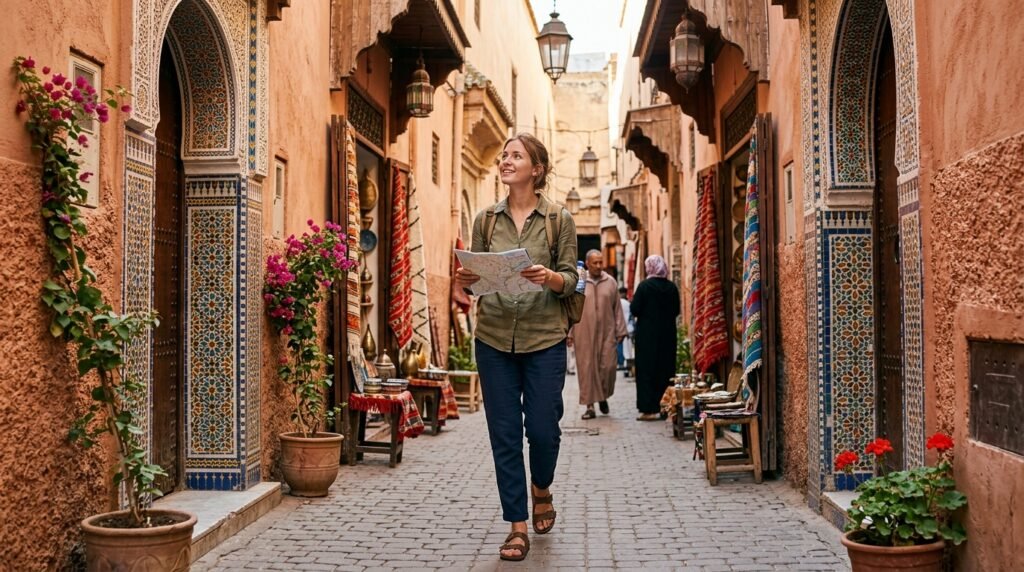
Practical tips for a first trip, with ranges from guides and press rather than official tariffs. Treat every price as a reported figure and check current price locally.
Money
Carry small dirham bills and coins. Most souk vendors, small cafés and taxi drivers take cash only, and change for a 200 MAD note is often hard to find. Currency and ATM rules are in the currency guide.
Bargaining
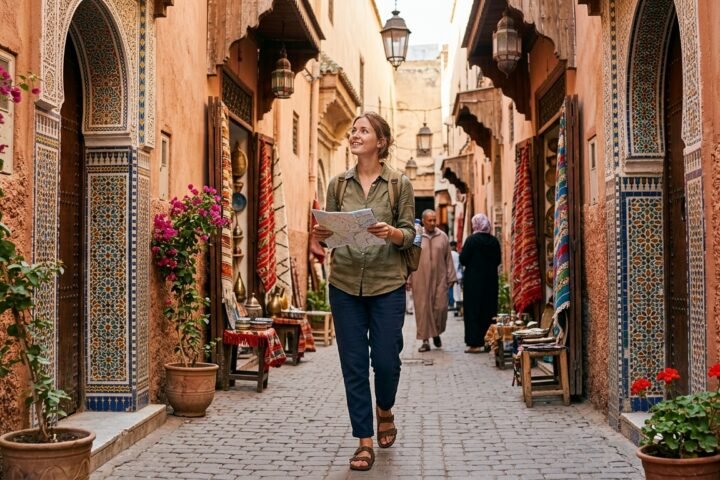
Guides say tourist-souk opening prices can be 2 to 4 times the fair price. Most suggest opening at 30 to 50 percent of the first ask and settling around 50 to 70 percent. Walking away is normal, but do not start unless you want to buy. Fixed-price cooperatives and government shops do not bargain.
Tipping
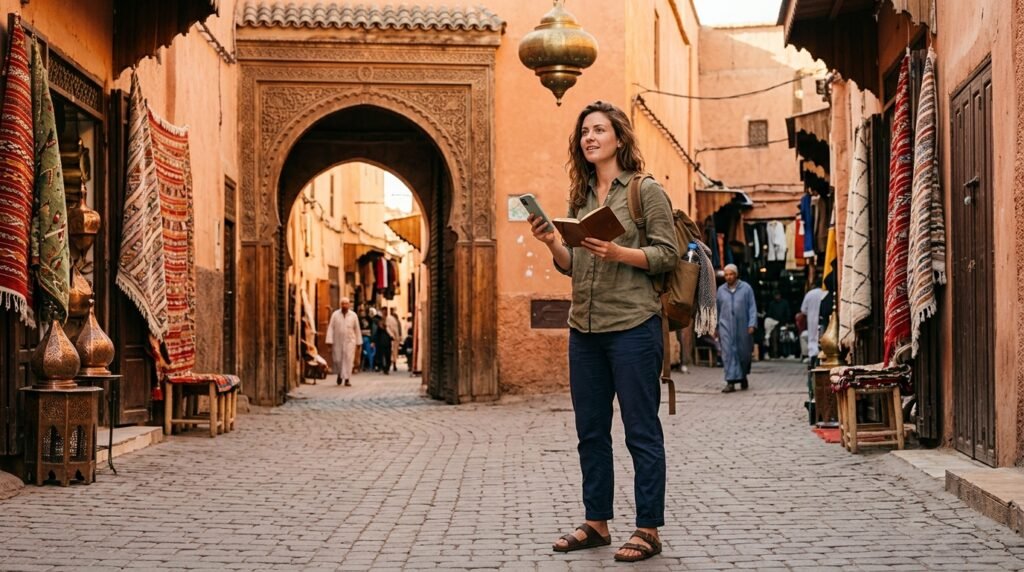
Tipping is discretionary, and the amounts below are suggestions from travel blogs and tour operators, not rules.
- Restaurants and cafés: about 10 percent is the common figure. Some guides say 5 to 10 percent in a small café (rounding up a few dirhams is often enough) and 10 to 15 percent in a mid-range or upscale restaurant. Check first whether a service charge is already on the bill.
- Luggage porters: about 20 MAD, or 20 to 30 MAD depending on distance and weight. One Chefchaouen-focused guide says 50 MAD there because of the steps and hills.
- Guides: about 150 MAD for a full-day city guide, and 20 to 30 MAD per person on a group tour, per two different sources. Pay at the end.
- Shopkeepers and taxis: no tip after bargaining. In a petit taxi, round up a few dirhams.
Taxis
Petit taxis are meant to run a meter. Guides quote a night surcharge of about 50 percent, starting around 8 or 9 pm, but the starting fare and per-kilometre rate differ between sources (a start of 2 to 10 MAD, then roughly 3 to 5.5 MAD per km), and we found no official tariff. A 2026 TelQuel report describes Marrakech drivers asking for flat rates without turning the meter on. Ask for the meter before you get in, or agree a price first. Marrakech airport has a posted taxi tariff, see the airport guide.
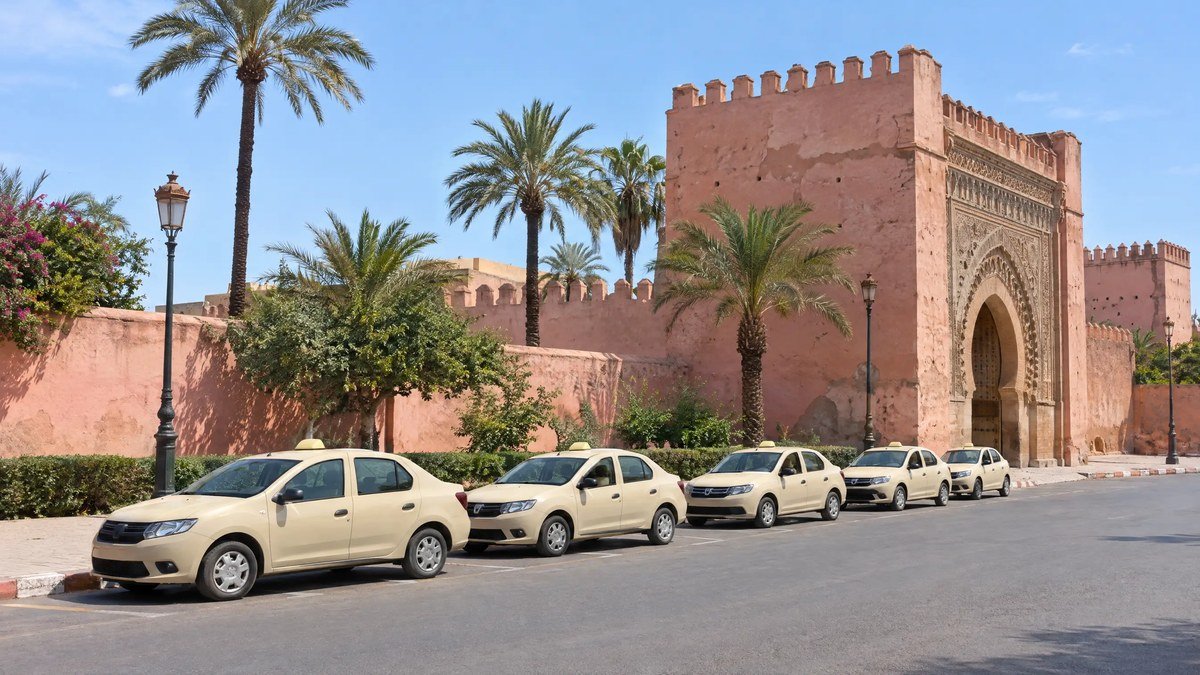
The downside: in tourist areas, many drivers will simply refuse the meter, so keep small notes ready for the agreed fare.
The numbers on one page
| Topic | Reported range | Note |
|---|---|---|
| Bargaining | Open at 30 to 50 percent of the first ask, settle around 50 to 70 percent | Fixed-price cooperatives do not bargain |
| Restaurant tip | about 10 percent (5 to 15 percent in guides) | Check the bill for a service charge |
| Luggage porter | 20 to 30 MAD (50 MAD cited for Chefchaouen) | Suggestions, not rules |
| Day guide | about 150 MAD for a full city day; 20 to 30 MAD per person on a group tour | Pay at the end |
| Petit taxi | meter expected; night surcharge reported at about 50 percent from 8 or 9 pm | No official tariff found |
| SIM data | 20 MAD for 2 GB over 7 days (Maroc Telecom) to about 120 MAD for 7 days (Orange) | Passport needed to register |
All of these are reported ranges, not official tariffs. Use them to sense a fair price, then check locally.
SIM card and data
You need your passport to register a SIM, and the shop does it on the spot in a few minutes. Official kiosks sit in arrivals at the big airports, and one source advises against buying from street vendors. Prices differ a lot between sources: for example 20 MAD for 2 GB over 7 days on Maroc Telecom, or 5 GB for 50 MAD on inwi, with Orange tourist plans around 120 MAD for 7 days. Maroc Telecom has a reputation for the best rural and desert coverage. For a trip under two weeks, an international eSIM can be competitive, so compare before you land. One comparison of eSIM marketplaces lists these prices, which are not official operator tariffs and change often:
| eSIM | Data | Validity | Price |
|---|---|---|---|
| Roamic | 5 GB | 21 days | about 8.94 USD |
| Yesim | 10 GB | 30 days | about 20.15 USD |
| Yesim | 20 GB | 30 days | about 30.22 USD |
| Simbye | 20 GB | 30 days | about 32.40 USD |
| Airalo | 20 GB | 15 days | about 43.65 USD |
| Ubigi | 25 GB | 30 days | about 50.37 USD |
The same comparison puts a local Maroc Telecom eSIM at about 12 USD for 20 GB over 30 days, and says an Orange local SIM comes with 20 MAD credit. We could not confirm any of the local operators’ prices on their own sites (Maroc Telecom’s page confirms only a 5 MAD minimum top-up), so check current price in the shop.
Water
Sources disagree. Some say city tap water is chlorinated and usually harmless, others say avoid it, even in cities. The safe choice is bottled water, which is cheap (about 5 to 7 MAD a litre for large bottles). Check the seal is intact, because one guide warns that some sellers refill old bottles.
Entry
Visa and passport rules are in the visa guide. The UK government page says a passport must be valid at least 3 months after arrival. Official Canadian advice for the same trip says 6 months, so keep the longer figure in mind if your passport is close to its expiry date.
Dress
Cover shoulders and knees in the medina and near mosques, and carry a scarf. Beachwear belongs at the beach and the hotel pool.
Ramadan
Ramadan moves about 11 days earlier each year. Many restaurants close or serve limited food during daylight hours, and opening times change, so check a current calendar if your dates might overlap.
Plugs
Morocco uses 220 V sockets, generally the European round-pin type. Check the exact plug and voltage with your hotel if you carry hair tools or other high-power devices.
Your first day: a short checklist
- Withdraw or change some cash and ask for small notes, since change for a 200 MAD note is often hard to find.
- Register a SIM at an official kiosk with your passport, or set up an eSIM before you land.
- Ask for the meter or agree the taxi price before you get in.
- Carry a scarf and keep shoulders and knees covered in the medina.
- Save the emergency numbers from the insurance guide: ambulance 150, police 190, gendarmerie 177.
Getting around
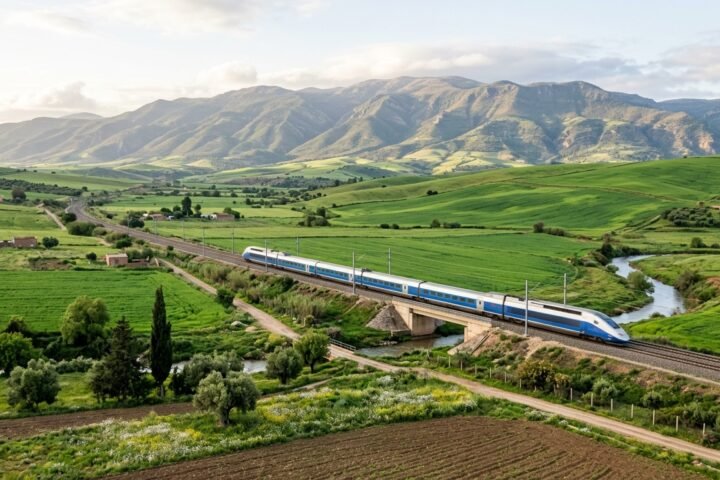
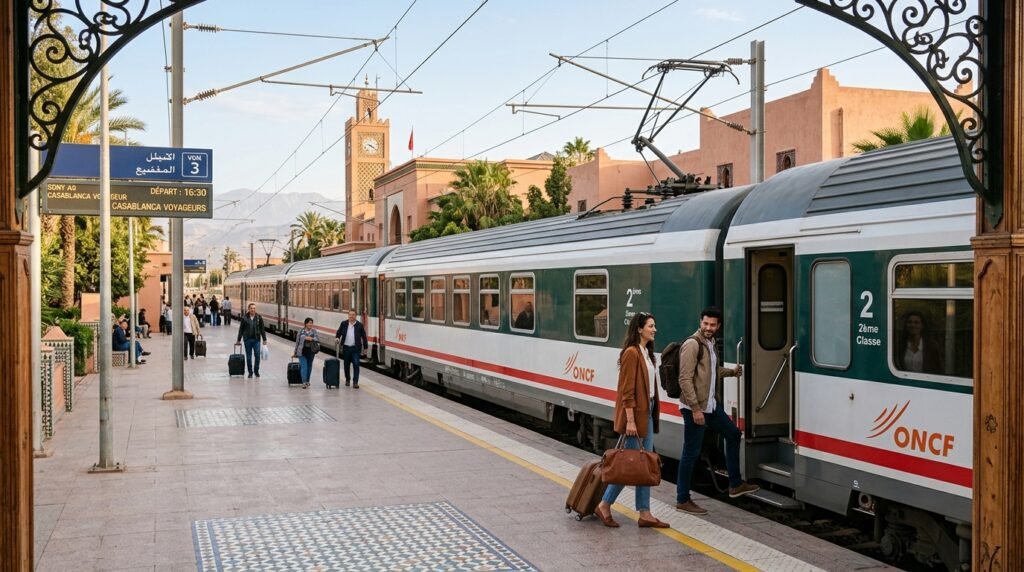
Trains run between the big cities. Coaches from CTM and Supratours cover the rest. Check ctm.ma, supratours.ma and oncf-voyages.ma.
Safety
Read the official advice in the safety guide. Official Canadian guidance for the desert is to hire only official guides recommended by hotels, travel agencies or tourist authorities. Advice changes, so check it before you fly.
Frequently asked questions
Should I bargain in Morocco?
In tourist souks, yes. Guides say opening prices can be 2 to 4 times the fair price. Fixed-price cooperatives and government shops do not bargain.
How much should I tip?
About 10 percent in restaurants, 20 to 30 MAD for a porter, and a few dirhams in a petit taxi. These are suggestions, not rules.
Do taxis use the meter?
They should, but in tourist areas many drivers refuse. Ask first or agree the price.
What is the easiest way to get data?
A SIM registered with your passport at an official airport kiosk, or an eSIM. Compare prices, which differ a lot between sources.
Is the tap water safe?
See the water section above and ask your accommodation, since we found no single official statement.
What are the emergency numbers?
Ambulance and fire 150, police 190 and gendarmerie 177, per the UK government.
Sources checked
Checked on 27 October 2026.
- Travel guides and tour operators for bargaining, tipping and SIM prices (reported ranges, not official tariffs)
- TelQuel report (2026) on Marrakech taxi flat rates
- UK government (gov.uk) Morocco travel advice, getting help (emergency numbers)
- eSIM marketplace comparison; prices change often