Bargaining in Morocco: How to Haggle in the Souks
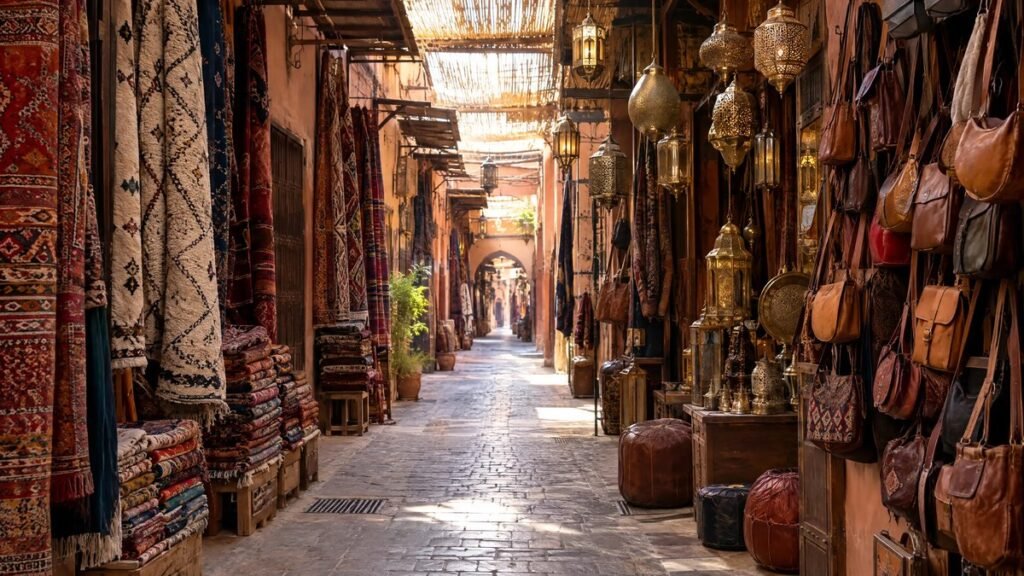
Bargaining in Morocco is normal in the souks, and it is less scary than it looks. Most prices start high, you offer lower, and you meet somewhere in the middle. This guide explains the steps, a few Darija words, what you should not haggle for, and where prices are fixed. For the cities themselves, see the Marrakech travel guide and the Fes travel guide.
Sources checked 5 November 2026: several travel guides and magazines (Lonely Planet, Wanderlust, World Travel Guide and others) and listings for the government-run craft centre in Marrakech. No official body publishes a price rule, and the guides do not agree on percentages, so we give ranges and say where they come from. Treat every number as a rough guide, not a rule.
How bargaining in Morocco works
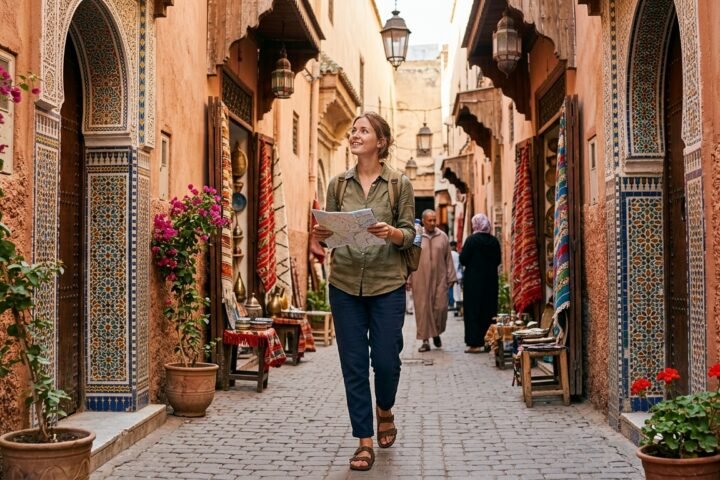
In a souk, most items have no price tag. You ask, the seller names a price, and the real price is found in the conversation that follows. It is social as much as commercial: tea, small talk and jokes are part of it, and a polite, relaxed manner helps.
Guides give very different opening offers. One suggests offering 10 to 30 percent of the first price, another says to start at about a tenth, and World Travel Guide suggests around 20 percent. None of them is an official rule. A sensible way to read this is that the first price is often far above what people end up paying, so do not feel bad about offering well below it.
| Source type | What it suggests |
|---|---|
| Travel blog | Offer about 10 to 30 percent of the first price |
| Travel guide | Start near 20 percent and negotiate from there |
| Another guide | Decide your top price before you start, and begin around a tenth |
The catch is that these figures come from blogs and guides of different ages, and a scarf is not a lamp. Compare two or three shops before you decide what is fair, and keep in mind that quality handmade work usually has less room to move.
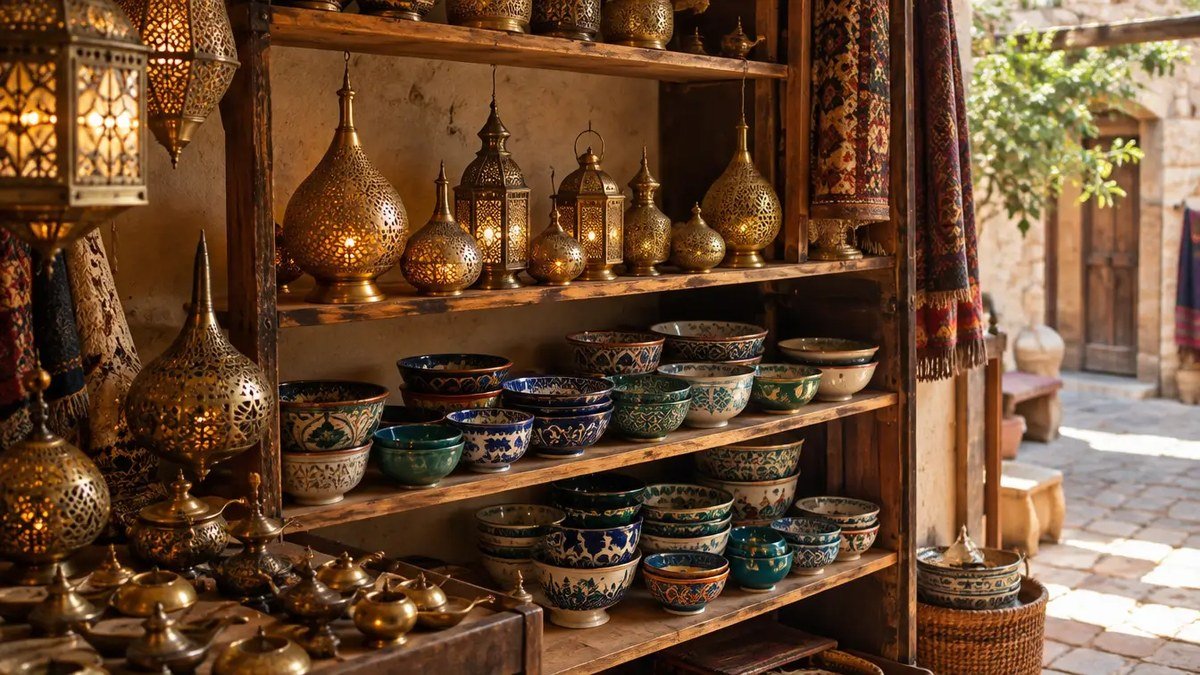
Before you start
Walk through the souk once without buying. Ask a few prices, look at how items are made and see how much the same thing varies from stall to stall. Several guides recommend this on a first visit, and it gives you a price range before you commit.
- Decide what the item is worth to you before you ask, and keep that number in your head.
- Carry small notes and coins. Pulling out a large note weakens your position.
- Do not start bargaining for something you do not plan to buy. If a price is agreed, you are expected to pay it.
- Use the time of day: some guides say sellers are keener on the first sale of the morning and the last of the evening.
If you want a reference price, the government-run craft centre in Marrakech, the Ensemble Artisanal on Avenue Mohammed V in the new town, is described by several guides as a fixed-price shop. Opening times on listings were Monday to Saturday 9:30 to 19:00 and Sunday 9:00 to 14:00, but they can change, so check before you go. It has less choice than the souks, and the sources are commercial sites, not an official page.
Step by step: how to haggle
- Ask the price. Let the seller name the first number. In French you can ask “Combien?” and in Darija “Bshhal?”.
- React calmly. A smile and “ghali” (expensive) is enough. You do not need to look shocked.
- Make your first offer well below the ask. Use the ranges above as a starting point, not a script.
- Move up in small steps. Each of you gives a little. Small moves show you are serious without rushing to the end.
- Be ready to walk away. If the price is not right, say “shukran” (thank you) and leave politely. Sometimes the seller calls you back with a better number, sometimes not, and both are fine.
- Close it cleanly. Once you agree, pay in the agreed amount and do not reopen the price.
A useful habit is to keep a small piece of cash in a separate pocket for the final price. It makes the ‘I only have this much’ line true and stops you from overpaying out of embarrassment.
What to haggle for and what not to
| Item | Haggle? |
|---|---|
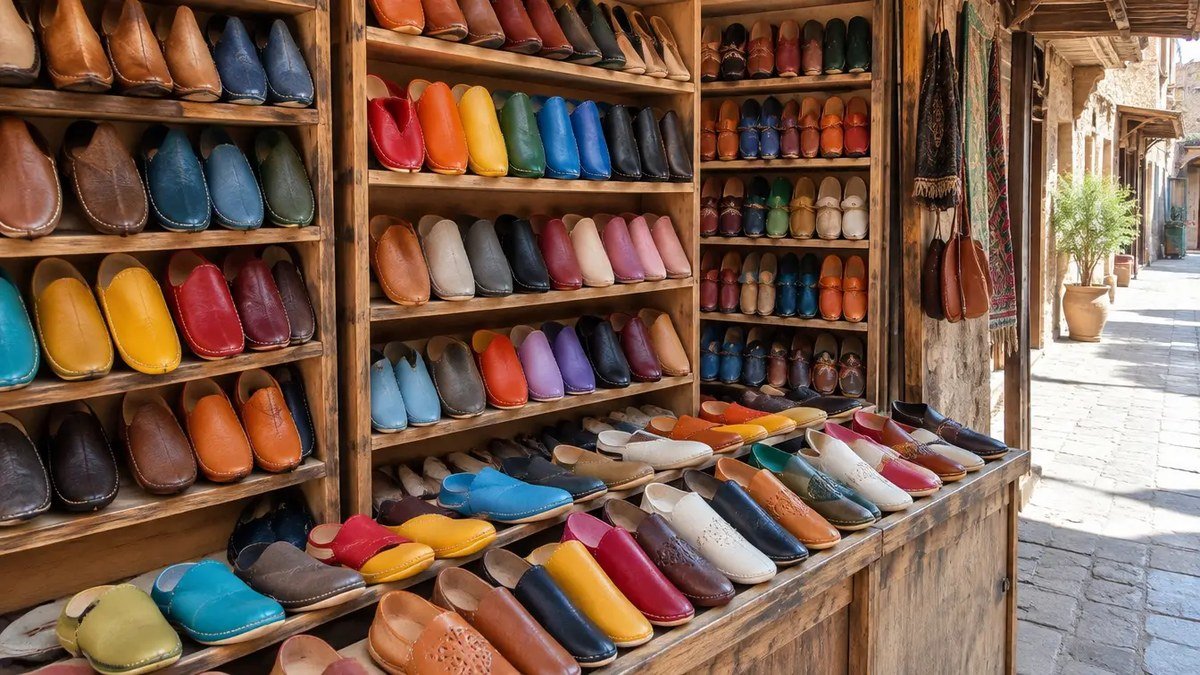
| Rugs, lamps, leather, ceramics, jewellery | Yes, this is where bargaining is expected |
| Scarves, babouches, souvenirs | Yes, with moderate offers |
| Food, bread, fruit and market vegetables | Generally no, ask the price and pay it |
| Fixed-price shops and cafes with a menu | No, prices are posted or set |
| Taxis with a meter | Ask for the meter, see Getting around Morocco |
Guides agree that food is not a place to bargain, and that squeezing a craftsperson on a well-made piece can feel insulting. If an item is handmade and takes days, offering a very low number can end the conversation.
For taxis, guides differ by city and the rules change, so confirm the situation locally. The day-to-day costs are in Morocco travel cost.
Phrases and manners
| Say | Meaning |
|---|---|
| Bshhal? | How much? |
| Ghali bzaf | Too expensive |
| La, shukran | No, thank you |
| Shukran | Thank you |
| Mashi mushkil | No problem |
Spellings of Darija vary because it is mostly spoken, so do not worry about the exact form. The words, a smile and a calm tone matter more than perfect pronunciation.
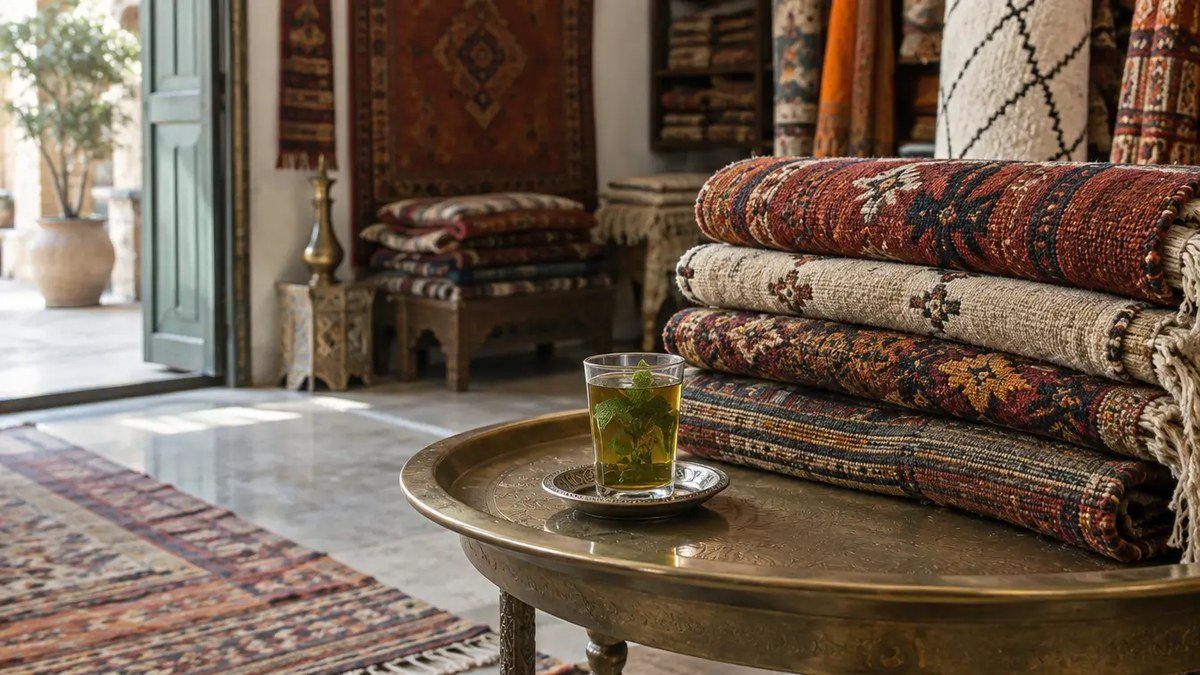
- Accept tea if you are interested, but you are not obliged to buy.
- Do not lie about your budget in a way you cannot keep up.
- A guide or ‘helper’ who walks you to a shop may be paid a commission by the shop, so the price can be higher. Choose your own stalls when you can.
- Keep your phone and wallet secure in busy lanes.
Common mistakes
Paying the first price is the most common one, followed by bargaining hard and then not buying. A third is arguing over a small amount, such as 10 DH, after a long and friendly talk. The difference is often small for you and meaningful for the seller.
If you find the process tiring, plan one or two short shopping sessions rather than a whole day. A good moment to buy is toward the end of your trip, when you know the going prices. If you are building your route, read the Morocco itinerary, and check the Morocco travel tips for other basics. In Essaouira and Chefchaouen the pace is often calmer, see the Essaouira travel guide and the Chefchaouen travel guide.
Frequently asked questions
Is bargaining expected in Morocco?
In the souks, yes, for most goods without a price tag. In fixed-price shops, supermarkets, cafes with menus and for food, no.
How much should I offer?
Guides give different starting points, from about 10 to 30 percent of the first price to around 20 percent. None is official. Compare a few stalls and decide what the item is worth to you.
What if I do not want to haggle?
Use a fixed-price shop such as the government-run Ensemble Artisanal in Marrakech, which guides describe as fixed-price, or buy where prices are posted.
Can I walk away after making an offer?
Yes, if you have not agreed on a price. Once you agree, you are expected to buy.
Should I haggle for food?
Generally no. Ask the price and pay it. Guides agree that food is not a bargaining item.
Is it rude to offer a very low price?
It can be, especially for handmade work. Start well below the ask, but stay polite and keep the numbers realistic.
Do I need to speak Darija or French?
No. A few words help, such as Bshhal for how much and shukran for thank you, but gestures and a calculator on a phone work.
Sources checked
Checked on 5 November 2026. These sources are travel guides and listings, not official bodies, so the figures are indicative.
- Lonely Planet, how to haggle in Marrakesh
- Wanderlust, tips for haggling in Marrakech
- World Travel Guide, shopping in Marrakech
- Holidify, Ensemble Artisanal listing
Prices and times can change without notice. Confirm them before you pay or travel.