Moving to Morocco from Europe: Complete Expat Guide

Moving to Morocco from Europe is easier on the map than on paper. The flight from Spain, France or Portugal is a few hours, but the first month is mostly about a residence card, a lease, a bank account and a SIM. This guide walks through that order, with the numbers we could find and the points where sources disagree.
Moving to Morocco from Europe: the short version
| Step | What to do | When |
|---|---|---|
| Before you leave | Check your passport, get documents legalised, sort health cover | 1 to 3 months ahead |
| Arrival | Short-term stay, temporary rental, local SIM | First 2 weeks |
| Residence | Apply for the carte de sejour at the local prefecture | Reported: within the first month or at least 15 days before your visa-free stay ends |
| Settling | Long lease, bank account, internet, insurance | Months 1 to 3 |
Citizens of EU countries can generally enter without a visa for tourist stays of up to 90 days, according to the guides we read. Staying longer means applying for residency, and the process is handled locally, so details change from city to city.
If you want to understand the monthly numbers first, read our monthly cost of living in Morocco guide, and for short stays see Morocco visa requirements.
Choose a city before you choose a flat
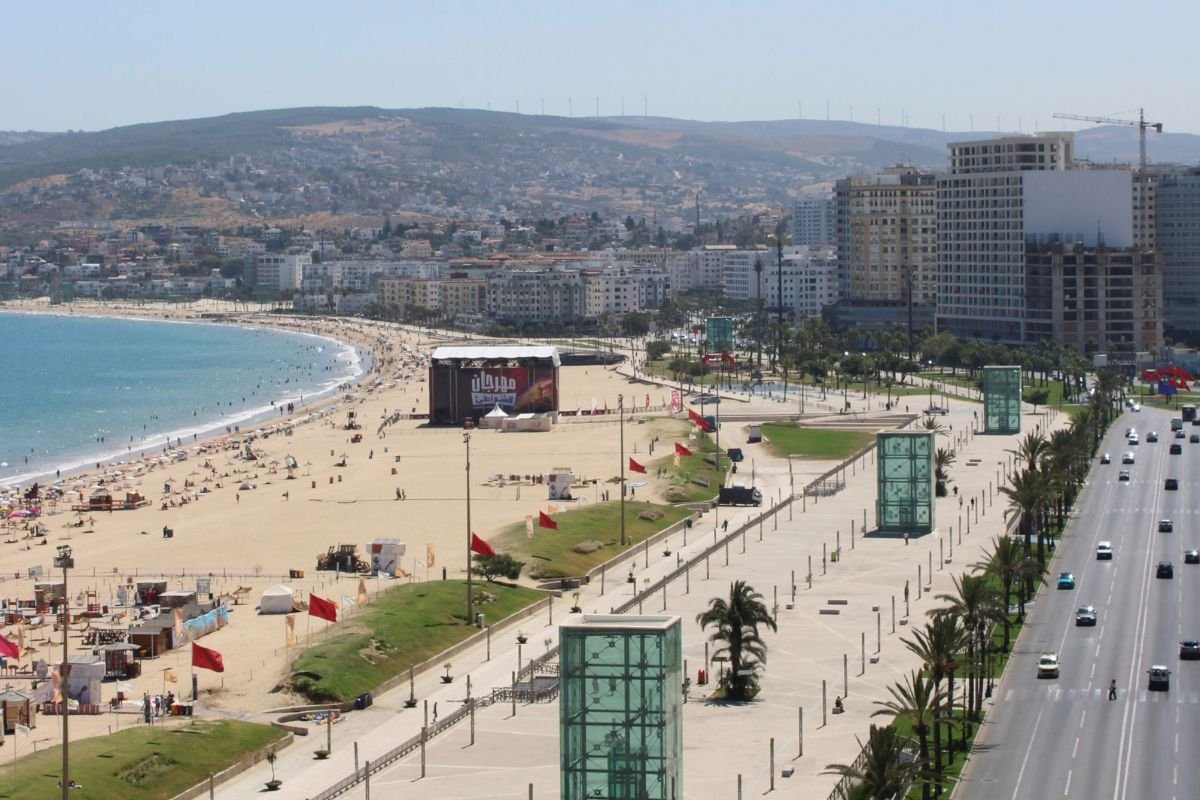
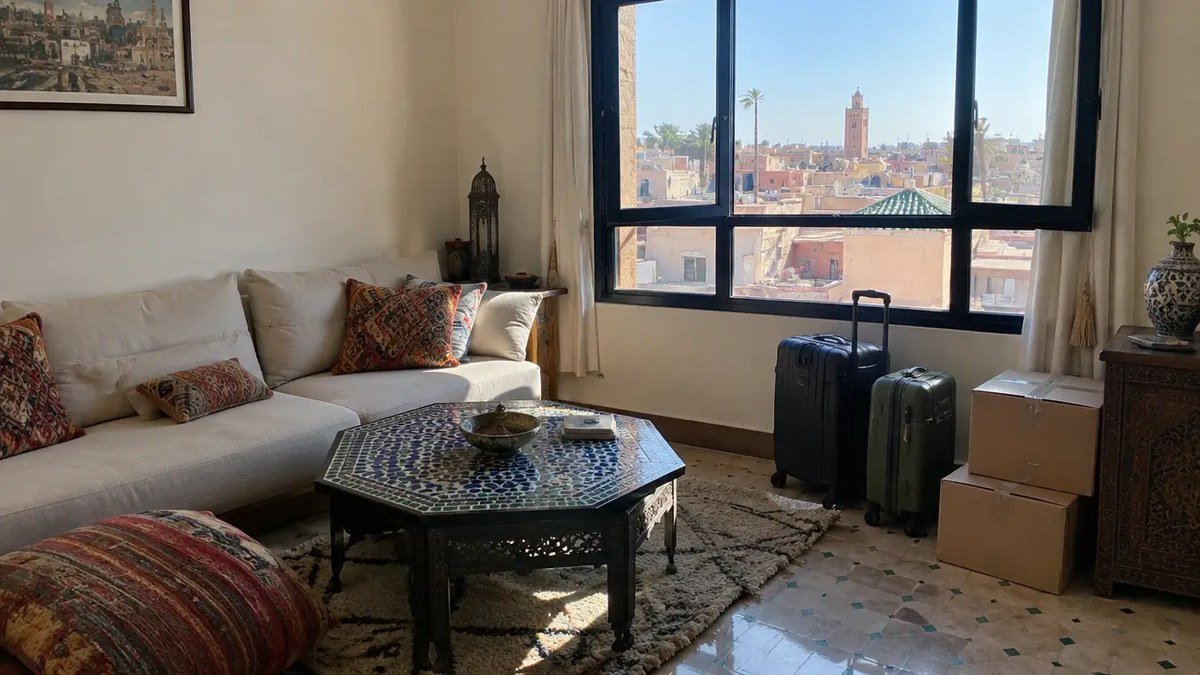
Most Europeans end up in Marrakech, Casablanca, Rabat, Tangier or Essaouira. Marrakech has a large foreign community and the tourist prices to match. Casablanca is the business city, with modern flats and heavy traffic. Rabat is calmer and administrative. Tangier is the closest to Spain by ferry, see Tangier to Spain ferry.
- Rent for a furnished one-bedroom flat is often quoted at roughly 300 to 900 USD a month depending on the area (aggregator figures, check current listings).
- Medina houses look wonderful and can be damp, noisy and hard to heat in winter.
- Rent for a month first. Several guides suggest a short-term stay before you sign a long lease.
One downside to plan for: furnished flats found through agents or short-term platforms are often priced higher than the same flat on a 12 month lease, so ask for both prices.
Residence card: the paperwork
Foreigners who stay beyond the visa-free period apply for a residence card (carte de sejour) through the local police or prefecture, under the law governing the entry and stay of foreigners. One-year cards are described as renewable, with longer cards possible later for established residents. Sources disagree on exact timing, fees and document lists, so we do not give numbers here.
- Commonly listed documents: passport, birth certificate, proof of address (lease), photos, proof of income or a work contract, and health insurance.
- Foreign documents are often asked to be legalised and translated, so ask your consulate which stamps are needed.
- Renewals reportedly add a medical certificate and a Moroccan criminal record extract. Requirements vary by city.
Expect weeks, not days, and expect to go back with a missing paper. Take photocopies of everything. For work and digital nomad questions see remote work in Morocco.
Money, bank account and taxes
The dirham is a closed currency in practice, so you cannot buy it freely abroad. Withdraw at local ATMs or exchange on arrival. About 1 EUR is roughly 11 MAD at the time of writing, so check the current rate. See Morocco currency and money for cards and exchange.
- Opening a local account usually needs a residence card or proof of residency, so expect to keep your European account for the first months.
- Transfers from Europe are possible, but fees and limits differ by bank. Compare before you move savings.
- Tax residency is a separate question. Speak to an adviser in your home country and in Morocco, because rules and treaties differ.
Health cover and daily life
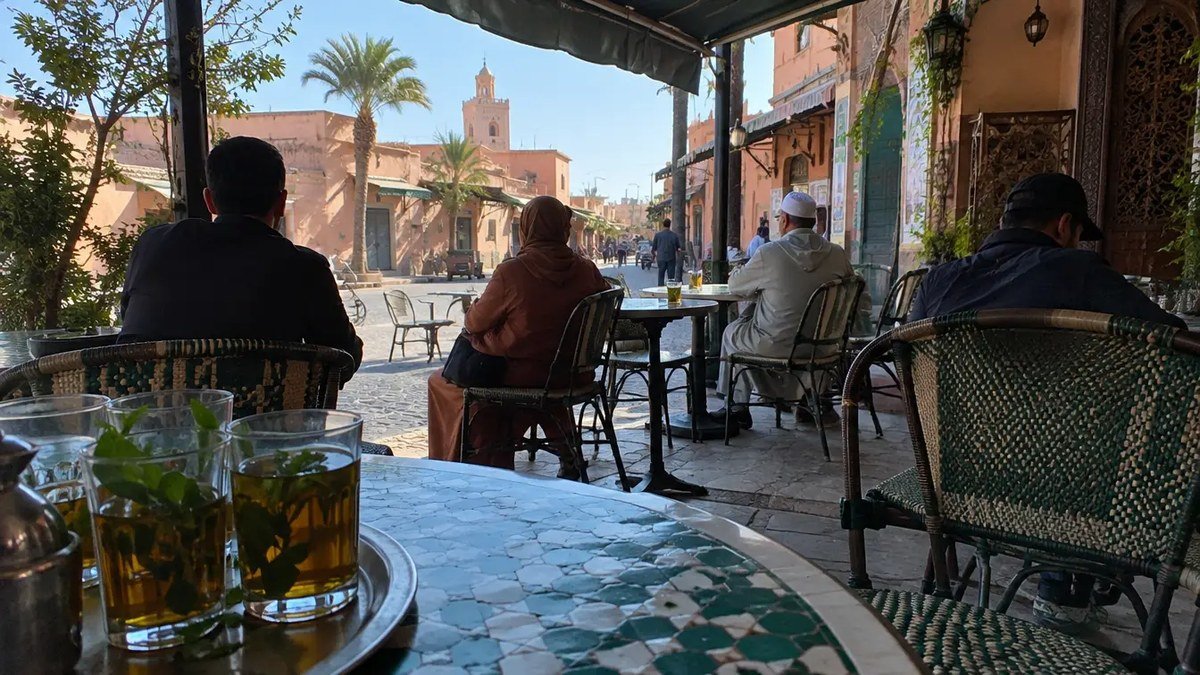
Public care exists, but many foreigners use private clinics and private insurance. Compare policies before you arrive and check what they cover in Morocco. Our Morocco travel insurance page covers the short-stay side.
Everyday life is cheaper than in most of Western Europe for rent, local food and transport, and more expensive for imported goods. Mobile data is cheap, see eSIM vs SIM card and Maroc Telecom vs Orange vs inwi.
- Language: Arabic and Darija on the street, French in business and administration. Learn basic Darija and some French, it changes how people treat you.
- Women moving alone: see what to wear in Morocco as a woman and solo trip to Morocco.
- Heating is rare, so winter evenings in an uninsulated flat can be colder than you expect.
Bringing a car, belongings and pets
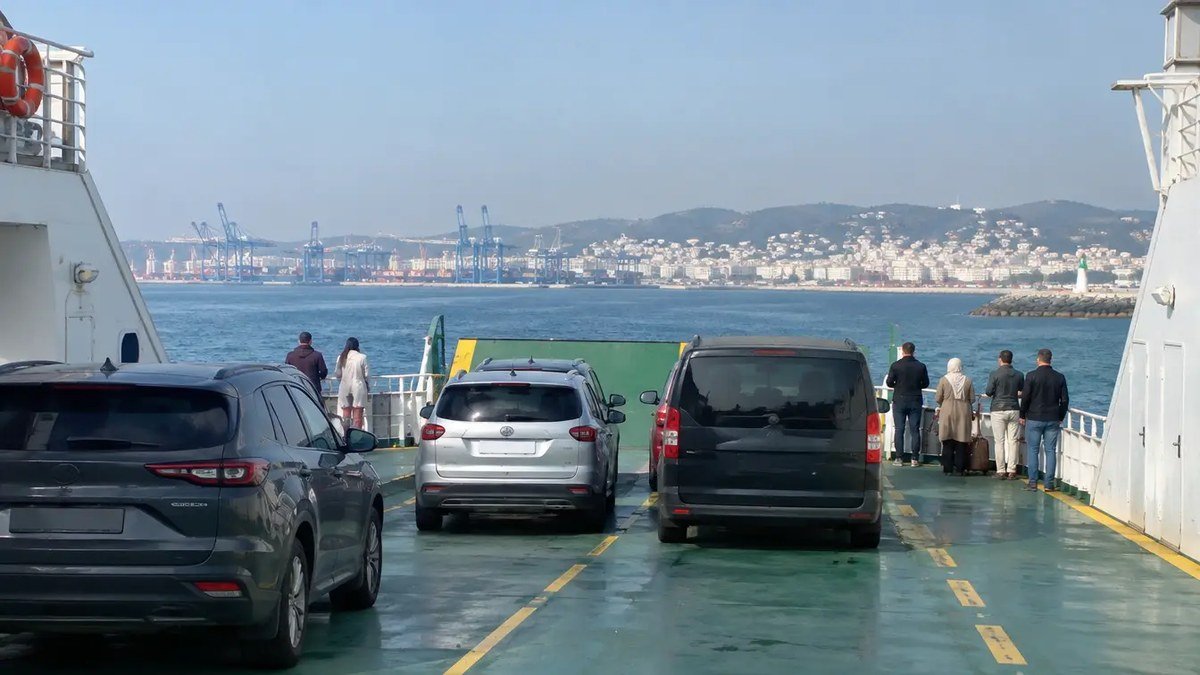
Cars are the costly surprise. A foreign-registered car can enter temporarily, reportedly for up to 180 days per calendar year, but a permanent import is a different process and is described in older guides as heavily taxed. Get a quote from a customs broker before you buy a ferry ticket.
Pets older than 3 months are reportedly required to have a rabies vaccination, and a microchip applied before it. Confirm the current certificate rules with your vet and the Moroccan authorities.
- Shipping household goods: get written quotes and ask who clears customs.
- Electronics and new items can attract duties, so keep invoices.
- Ferry crossings from Spain are the usual route if you drive, see Tangier to Spain ferry.
A realistic first-month checklist
| Week | Task |
|---|---|
| 1 | Temporary rental, local SIM, scout neighbourhoods on foot |
| 2 | Visit 4 to 6 flats, ask for a written lease and a recent utility bill |
| 3 | Start the residence card file at the prefecture |
| 4 | Sign the lease, set up internet, compare health insurance |
Be patient with offices, and keep a folder with copies. Locals are often generous with advice, and a neighbour can save you a trip to the wrong counter.
Frequently asked questions
Can Europeans move to Morocco without a visa?
EU citizens can generally enter without a visa for up to 90 days as tourists, according to the guides we read. Living there longer means applying for a residence card.
How do I get a residence card in Morocco?
You apply at the local police or prefecture with documents such as passport, lease and proof of income. Details differ by city, so ask locally.
Is Morocco cheaper than Europe?
Rent, local food and transport are usually cheaper. Imported goods and electricity can be close to European prices.
Can I bring my car to Morocco?
Temporary entry is reportedly limited to about 180 days per year. A permanent import is costly and different, so get a customs quote first.
Do I need health insurance?
Private insurance is common among foreigners, and guides list it among residency documents. Compare policies and check cover in Morocco.
Which language do I need?
Darija and Arabic are spoken daily and French is common in administration. Some French helps a lot at the prefecture.
Can I work in Morocco as a European?
Work rules and permits are a separate process and change often. Check with official sources or the consulate.
The information in this guide comes from trusted travel sources. Prices and times can change, so confirm them before you pay or travel.